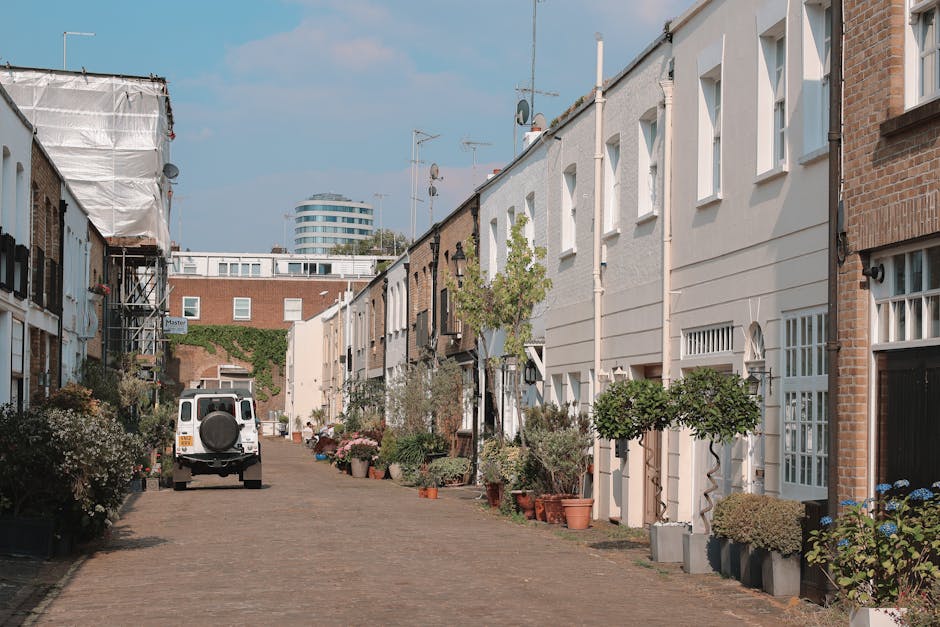
Stoke Newington House Removals on Church Street
Posted on 22/06/2026

Stoke Newington House Removals on Church Street: A Practical Guide for a Smoother Move
If you are planning Stoke Newington House Removals on Church Street, you are probably juggling more than boxes. There is the timing, the parking, the stairs, the fragile bits, and that nagging question of whether the move will feel calm or chaotic. Truth be told, Church Street can be a brilliant place to live, but moving there needs a bit of local know-how. This guide walks you through what to expect, how the process usually works, and how to avoid the kind of moving-day mistakes that turn a straightforward job into a long, weary afternoon.
Whether you are moving into a compact flat, a family house, or a place with awkward access and a few too many bits of furniture, the aim here is simple: help you plan better, spend wisely, and keep your belongings safe. Along the way, you will also find relevant guidance on packing, budgeting, van selection, and a few useful reads from the wider Hackney removals hub.
Why Stoke Newington House Removals on Church Street Matters
Church Street sits at the heart of a busy, characterful part of Stoke Newington. That is lovely for everyday life, but it can make moving a little more complicated than people first assume. Narrower streets, mixed housing stock, loading restrictions, busy weekend footfall, and the usual London parking pressure all change the shape of a removal.
So why does this matter? Because a good move is rarely just about lifting furniture. It is about timing the vehicle correctly, protecting items on stairs and in hallways, and making sure the whole operation fits the local setting. A smart plan saves time, reduces stress, and can lower avoidable costs too. If you are comparing options, it often helps to read broader guidance such as how to find the best Hackney moving company and choosing the right removal firm for your move.
Key takeaway: on Church Street, the move is rarely difficult because of one big issue. It is usually the combination of little things: access, parking, stairs, timing, and packing quality. Get those right and the day gets much easier.
How Stoke Newington House Removals on Church Street Works
The process usually starts with a survey or quote request. A removal team will want to understand the size of your property, the access at both ends, whether you need packing help, and whether anything unusual is involved, such as a piano, antique cabinet, or storage need. That is not overkill. It is how they work out the right team, vehicle, and time slot.
From there, a standard move often follows a familiar pattern:
- Initial assessment: you describe your property, contents, and timings.
- Quote and planning: the mover estimates labour, vehicle size, and any extras.
- Packing and preparation: boxes, labels, protective wrap, and dismantling where needed.
- Collection and loading: items are carried out carefully, usually with protection for hallways and furniture.
- Transport: the vehicle is loaded securely so nothing shifts in transit.
- Unloading and placement: furniture is taken to the correct rooms, not just dropped by the door.
If your move is urgent or you are working to a tight handover, it may be worth understanding broader same-day or short-notice options as well. In Hackney, the realities of timing matter, and a team that understands the local area tends to make life easier. For example, same-day removals in Hackney can be useful in certain time-sensitive situations, while the right removal van in Hackney becomes important when access is tight or the load is smaller.
Key Benefits and Practical Advantages
There is a reason people do not usually attempt a full house move with a random car and a few mates from the pub. A professional approach brings structure. That sounds obvious, but the difference on the day is real.
- Less physical strain: someone else does the lifting, carrying, and awkward manoeuvring.
- Better protection for belongings: furniture blankets, straps, dollies, and proper handling reduce risk.
- More efficient timing: a well-planned crew can do in hours what might take you all weekend.
- Improved local handling: experienced movers know how to manage tighter streets and typical London access issues.
- More predictable costs: once the job is properly scoped, surprises are less likely.
There is also peace of mind, which is easy to underestimate until the day itself arrives and the front door is open, the kettle is packed, and somebody has to move a wardrobe down a narrow stairwell. A competent team makes the whole thing feel manageable. For furniture-heavy moves, the advice in considering your furniture's safety during a removal is well worth a read.
Who This Is For and When It Makes Sense
Stoke Newington House Removals on Church Street is a good fit for a wide range of movers, but it is especially useful if you fall into one of these groups:
- People moving from a flat or maisonette: stairs, tight landings, and shared entrances can make DIY moves awkward.
- Families with full homes: more furniture, more boxes, more risk of delay.
- Students and first-time movers: if you are new to moving in London, it is easy to underestimate the logistics.
- Older residents or assisted moves: comfort, pacing, and careful handling matter more.
- Homeowners with valuable items: pianos, artwork, glass tables, and fragile pieces need the right approach.
- Anyone on a deadline: completion day, lease changeovers, and end-of-tenancy handovers do not wait around.
It is also sensible if you simply want a less frantic day. Let's face it, not everyone wants to spend a Saturday sweating over flat-pack furniture and a lift-less top floor. If you are weighing up the most suitable type of help, man and van services for student moves and hiring a man and a van can be useful reference points for smaller or simpler jobs.
Step-by-Step Guidance
If you want the move to feel organised rather than improvised, follow a simple sequence. No heroics. Just steady preparation.
- Book early if you can. Last-minute bookings often leave you with fewer vehicle choices and less flexibility.
- Walk through the property. Look for awkward corners, bulky furniture, delicate items, and anything that may need dismantling.
- Sort what is moving. Be ruthless. If you have not used something in ages, now may be the moment to let it go.
- Pack room by room. It keeps the process sane and makes unpacking much easier later.
- Label clearly. A box marked "kitchen" is good; "misc" is not especially helpful, is it?
- Protect fragile items properly. Use enough wrapping, not just a bit of newspaper and hope.
- Confirm parking and access. Church Street can be busy, so this step really matters.
- Prepare an essentials bag. Kettle, meds, chargers, documents, toilet roll. The glamorous stuff of moving day.
- Keep important items separate. Passports, keys, contracts, and valuables should travel with you.
- Do a final sweep. Cupboards, loft space, under beds, behind doors. You will always find one thing you forgot.
If packing is your weak spot, a useful companion read is packing for a removal and choosing the right boxes. And if you want to understand what works best for different loads, the packing process and vehicle choice explains that nicely.
Expert Tips for Better Results
Here is where small decisions pay off. In our experience, the best moves are not always the biggest or the most expensive. They are the ones where the little details were handled early.
- Measure large furniture before moving day. A sofa that fits the room may still hate the stairwell.
- Use proper protection for wood and fabric. Moving blankets, covers, and corner guards are worth it.
- Keep pathways clear. Shoes, laundry baskets, and random hallway clutter slow everyone down.
- Stack boxes by weight, not just by room. Heavy on the bottom, lighter on top. Simple, but people skip it.
- Pre-plan where items will go. A bit of thought now saves thirty minutes of wandering around later.
- Be honest about access. If there is a steep staircase, narrow entrance, or parking complication, say so upfront.
- Think about fragile items separately. Glassware, mirrors, and lamps need more than generic packing.
For delicate pieces, it can help to review selecting the right vehicle for transporting fragile items and storing fragile items securely before a move. If you are moving a piano, that is a different league again, and specialist advice such as piano removals in Hackney is the safer route.

Common Mistakes to Avoid
Most stressful moves are not caused by one huge failure. They come from a handful of avoidable mistakes stacking up. A few of the big ones:
- Underestimating volume: people often have more stuff than they think.
- Poor labelling: if every box looks the same, unpacking becomes a treasure hunt.
- Ignoring parking and access: this can create delays or extra carrying distances.
- Packing too late: last-night packing is where breakages and panic start.
- Overloading boxes: that box of books may feel fine for five seconds, then not so fine.
- Not protecting furniture: scuffed edges and scratched legs are annoyingly common.
- Choosing a vehicle that is too small: multiple trips cost time and energy.
There is a practical cost angle too. If you want to keep spending sensible, budgeting your move and how to keep your moving costs down are both useful reads. You can also compare options more carefully with comparing prices between removal services.
Tools, Resources and Recommendations
You do not need a warehouse of equipment to move well, but a few practical tools make a big difference. The basics are often enough:
- sturdy boxes in a few sizes
- packing tape and tape dispenser
- bubble wrap or paper for cushioning
- labels or marker pens
- moving blankets or furniture covers
- zip bags for screws, brackets, and small parts
- a trolley or sack truck for heavier items
- gloves with a decent grip
If you want a better sense of what to put in each box and how to organise the load, what belongs in a moving box is a handy companion. For more general packing support, packing and boxes in Hackney and your guide to moving boxes are practical starting points.
When the move is larger or has a few unusual items, it can also help to review the broader service mix in services overview and removal services in Hackney. That gives you a better feel for what support is available without overcommitting to the wrong setup.
Law, Compliance, Standards, or Best Practice
Moving house is not usually a heavily regulated event in the way some industries are, but there are still important standards and duties to think about. Parking rules, loading restrictions, safe lifting, building access, and insurance all matter. You do not need to become an expert in regulations, but you should ask sensible questions and expect clear answers.
Best practice usually includes:
- clear written quotes with the main inclusions explained
- insurance appropriate to the move
- safe lifting and handling methods
- careful communication about access
- transparent cancellation, payment, and complaint processes
If you are checking the wider standards a mover should follow, insurance and safety, health and safety policy, and terms and conditions are the kinds of pages that help you understand what to expect. Payment clarity matters too, so payment and security can be useful when you are comparing providers. And if anything does go wrong, it is reassuring to know a proper complaints procedure exists.
For a little more context about the company behind the service, about us is worth a look, especially if you want to understand the approach and values behind the move.
Options, Methods, or Comparison Table
Not every move needs the same approach. A small flat, a large family house, and a last-minute handover all call for something different. Here is a simple comparison to help you think it through.
| Move type | Best-fit approach | What to watch for | Typical benefit |
|---|---|---|---|
| Small flat move | Man and van or compact removal team | Parking, access, and box count | Lower cost and quicker turnaround |
| Full house move | Dedicated removal crew | Furniture volume, stairs, time pressure | Better coordination and less lifting stress |
| Fragile or specialist items | Specialist handling and packing support | Protection, wrap, vehicle choice | Reduced breakage risk |
| Urgent move | Short-notice or same-day service | Availability and access timing | Fast action when deadlines are tight |
If you are comparing a smaller service with a broader one, the difference between man with a van for a home removal and a more full-service approach can be quite significant. For bigger moves, home removals in Hackney and flat removals in London may be closer to what you need.
Case Study or Real-World Example
Picture a typical Church Street move on a damp Saturday morning. The property is a first-floor flat above a shop, with a narrow staircase, a sofa that only just made it in years ago, and several boxes that were packed in a bit of a rush. Nothing dramatic. Just normal London moving life.
The move goes more smoothly because the household has already done a few things right: fragile items are separated, boxes are labelled by room, the largest furniture is measured, and access is checked in advance. The removal team arrives with the right vehicle size, enough blankets, and a clear idea of where the awkward pieces need to go. There is a short pause while the sofa is angled through the stairwell. A bit of muttering. A quick adjustment. Then it slides through. Relief all round.
What made the difference? Not magic. Planning. And honestly, that is usually the whole story. People often think a good move means nothing will ever feel hard. It will feel a bit hard. That is normal. The win is making it controlled rather than messy.
If you are preparing for a broader Hackney move, you may also find Mare Street moving tips and Dalston removals and storage guidance useful for nearby local context.
Practical Checklist
Use this before moving day. It is the sort of list that saves you later.
- Confirm date, time, and access details
- Check parking or loading arrangements for Church Street
- Finish decluttering early
- Gather boxes, tape, wrap, and labels
- Pack fragile items separately and clearly
- Disassemble furniture where needed
- Protect floors, doors, and furniture edges
- Keep keys, documents, and valuables with you
- Set aside essentials for the first night
- Tell the removal team about heavy or awkward items
- Do a final room-by-room sweep
- Take meter readings and photos if useful
For readers who like a more systematic approach, eight tips for an efficient house removal and how to make it through moving day are both very practical follow-ups.
Get a free quote today and see how much you can save.
Conclusion
Stoke Newington House Removals on Church Street is really about turning a local move into a manageable one. With the right planning, the right vehicle, and the right approach to packing and access, the day becomes far less daunting than it first appears. You still have boxes, stairs, and a bit of chaos, of course. But it is organised chaos, which is a much nicer version.
If you take one thing from this guide, let it be this: do the small things early. Measure the sofa. Label the boxes. Check the parking. Protect the fragile stuff. Those little actions are what make the big day feel lighter. And once you are in the new place, with the kettle unpacked and the first room sorted, it really does start to feel like home.
That first cup of tea after the move? Always better than the first box.