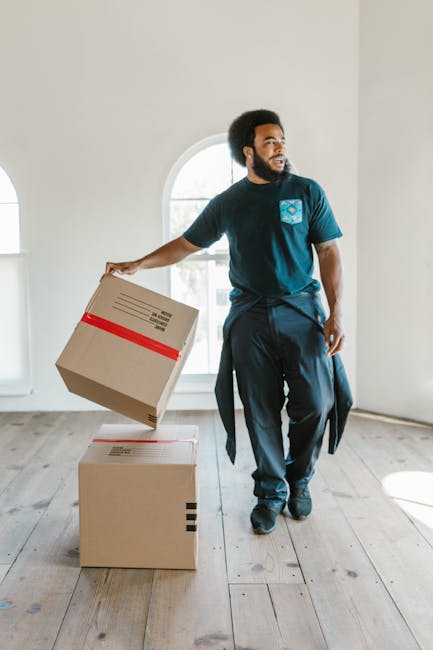
Mare Street Removals Hackney expert local moving tips
Posted on 29/05/2026
Mare Street Removals Hackney Expert Local Moving Tips: A Practical Guide for a Smoother Move
Moving on or around Mare Street in Hackney can feel deceptively simple on paper. In real life, it often means tight pavements, busy traffic, awkward access, parking pressure, and a whole lot of boxes that seem to multiply overnight. If you are planning a move in this part of East London, the right approach matters. That is where Mare Street Removals Hackney expert local moving tips come in: practical, local-minded advice that helps you avoid delays, cut stress, and protect your belongings.
This guide is designed for people who want more than generic moving advice. You will find local planning tips, packing ideas, cost-saving pointers, and a few hard-earned lessons that are easy to overlook until the van is outside and the clock is already ticking. Let's face it, moving day has a way of revealing every weak spot in the plan. Better to catch those weak spots early.

Why Mare Street Removals Hackney Expert Local Moving Tips Matters
Mare Street is one of those Hackney routes where local knowledge genuinely changes the outcome of a move. The road is busy, the surrounding streets can be tight, and access is not always friendly to larger vehicles. Add in flats with stair-only access, shared entrances, timed building restrictions, or a neighbour who has parked exactly where the van needs to be, and a simple house move can suddenly become a puzzle.
That is why local moving tips matter so much. They help you plan for the realities of the area rather than the ideal version of moving day that lives in everyone's head for a week or two beforehand. A good plan can save time, reduce damage, and lower the chance of last-minute panic.
For many residents, the move is not just about changing address. It is about staying organised while life keeps moving around you. A family moving out of a flat near Mare Street, a student heading to a shared property, or a small business relocating offices all need a slightly different strategy. The local context is the same, but the moving requirements are not.
It also helps to think about Hackney as a place with its own rhythm. Morning traffic, delivery vans, school runs, market activity, and everyday commuter movement all affect timing. If you work around that rhythm instead of fighting it, your move tends to go much more smoothly. Small thing, big difference.
How Mare Street Removals Hackney Expert Local Moving Tips Works
In practical terms, local moving advice works by breaking the move into three parts: preparation, access, and execution. Most moving problems happen when one of those parts is overlooked.
Preparation means sorting what you are taking, packing properly, measuring large items, and confirming dates. It also means checking whether you need extra help with fragile furniture, a piano, or a full flat move. If you are unsure which service level fits your move, pages such as removal services in Hackney and home removals in Hackney are useful starting points.
Access covers parking, stairs, lifts, walkways, front-door width, and whether the removal vehicle can stop near the entrance. This is where local experience really earns its keep. A route that looks easy from a map can turn awkward on the day if loading space is limited. Sometimes the issue is not the distance, it is the final 20 metres.
Execution is the moving day itself: loading the van in the right order, protecting furniture, keeping the essentials separate, and making sure everyone knows the plan. This part goes faster when the first two parts are done properly. Truth be told, the best moving day is often the one that feels a bit boring.
For people comparing options, it can also help to understand the difference between a full removals team and a smaller removal van service or a movers in Hackney package. The right choice depends on volume, access, and how much lifting you are comfortable handling yourself.
Key Benefits and Practical Advantages
There are several reasons local moving tips are worth following carefully, especially in a place like Mare Street.
- Fewer delays: Better timing and access planning mean less waiting around for lifts, parking, or keys.
- Less damage: Proper wrapping, good packing, and the right vehicle reduce the risk of broken items or scuffed furniture.
- Better budget control: When you know what you need, you are less likely to overpay for unnecessary extras. See also budgeting your move and how to keep your moving costs down.
- Less stress on the day: A clear plan means fewer decisions when you are tired and carrying a kettle in one hand.
- Better use of local services: Hackney-based providers understand the area's streets, parking realities, and housing types.
There is also a psychological benefit people often overlook. When your move is organised, the whole day feels more manageable. You are not just reacting to events as they happen. You already know what box holds bedding, where the first keys are, and which item needs careful handling. That calm matters. A lot.
If you are choosing between different providers, take a look at removal companies in Hackney and how to find the best Hackney moving company for a useful framework before you book.
Who This Is For and When It Makes Sense
These moving tips are useful for anyone relocating in or around Mare Street, but they are especially helpful in a few common situations.
- Flat movers: If you are moving from a third-floor walk-up or a building with narrow stairs, planning is everything. Our flat removals London page is relevant here.
- Students: Shared houses and small loads still need good organisation, even if the move feels smaller. See student removals Hackney.
- Families: Kids, school items, furniture, and routine disruption all add layers to the move.
- Older residents: Moves can be physically demanding and emotionally draining, so careful pacing helps. There is also a related piece on why house removals can be difficult for elderly people.
- Office and small business relocations: Tight schedules and equipment handling make local planning vital. See office moving tips and keeping office furniture damage-free.
It makes sense to use this approach whenever access is awkward, the property is compact, or you have little room for error. If you have ever stood in a hallway wondering how a sofa is supposed to make that corner, you already know what I mean.
Step-by-Step Guidance
Here is a practical way to handle a Mare Street move without turning it into a marathon.
1. Start with a realistic inventory
List what is going, what is staying, and what can be sold, recycled, or donated. This is boring, yes, but it saves money. Fewer items usually mean a smaller vehicle, fewer labour hours, and a simpler move overall.
2. Measure the awkward pieces first
Large wardrobes, beds, dining tables, mirrors, and washing machines need special attention. Measure doorways, stair turns, and lift dimensions before moving day. If a sofa barely fit coming in, it may not feel so cooperative going out. Old-school pain, that one.
3. Match the service to the job
Not every move needs the same level of support. A student studio may be fine with a smaller crew or a man and a van arrangement, while a family home may need a more complete service. If you want a sense of the trade-offs, read which removal firm is right for you.
4. Reserve parking and plan access early
On Mare Street and nearby roads, parking is often the part that ruins the plan if ignored. Confirm where the vehicle can stop, how far items will need to be carried, and whether there are restrictions near your property. For general vehicle planning, the beginner's van manual and vehicle choice based on packed items are both worth a look.
5. Pack by room and priority
Pack one room at a time and label boxes clearly. Mark essentials separately: documents, chargers, toiletries, medication, kettle, mugs, and a change of clothes. You want a first-night box that makes the new place feel liveable straight away. Nothing fancy. Just useful.
6. Protect fragile and valuable items
Use sturdy boxes, wrapping, and cushioning. If you are unsure how to do this well, read selecting the right vehicle for fragile items and storing fragile items securely before a move. For furniture, blanket protection is often a smart move too, as explained in this guide to furniture blankets.
7. Load in the right order
Heavy, stable items should go in first, followed by boxed items and then anything delicate that needs to stay upright. Keep essentials accessible. If your movers are professional, they will already have a system, but it still helps if you know the logic behind it.
8. Check the new property before unloading
Walk through the new place, note any damage, and decide where big items should go before they are carried in. A few minutes spent here can save a lot of shifting later. Moving a wardrobe twice is a kind of comedy nobody asked for.
Expert Tips for Better Results
These are the small decisions that often make the biggest difference.
- Book earlier than you think: Good slots go quickly, especially at weekends or month-end.
- Leave one walkway clear: It keeps loading smoother and reduces tripping hazards.
- Use colour labels: One colour per room makes unloading much easier.
- Photograph cable setups: It saves time later when reconnecting TVs, routers, monitors, and speakers.
- Separate fragile items from general boxes: Sounds obvious, but it is the sort of thing people forget at 10pm the night before.
- Keep drinks and snacks handy: It sounds minor, but moving is physical work and people fade faster than they expect.
- Check whether you need specialist help: Pianos, antique furniture, and bulky appliances are better handled by specialist teams such as piano removals in Hackney.
A good local mover also knows when to suggest a simpler approach. For example, if you only have a few items and easy access, a compact vehicle can be more efficient than bringing something larger than necessary. That is one reason man with a van equipment for home removal advice can be useful even if you are not booking that exact service.
And one more thing: if you are tempted to leave everything until the final weekend, don't. Your future self will not thank you.

Common Mistakes to Avoid
Even organised people make these errors. The good news is that they are all avoidable.
- Underestimating access issues: A short street can still be awkward if parking is limited or the entrance is far from the road.
- Packing too late: Late packing usually means poor labelling and damaged items.
- Not checking service scope: Some services include lifting, dismantling, and reassembly; others do not. Ask before booking.
- Choosing on price alone: The cheapest quote is not always the best value. See comparing different E8 removal services and why reputable services are worth the cost.
- Forgetting insurance and safety checks: You want to know how fragile goods, accidental damage, and liability are handled. The page on insurance and safety is worth reviewing.
- Ignoring the first-night essentials box: If you pack it in the wrong van, you may spend the first evening hunting for toothbrushes. Not ideal.
One common local mistake is assuming that Mare Street access is the same all day. It is not. Traffic patterns change, and a time that looks fine in the morning can feel very different later. Timing matters more than many people think.
Tools, Resources and Recommendations
You do not need a mountain of specialist equipment to move well, but a few practical tools help.
- Strong boxes: Use proper double-walled boxes for heavier items.
- Packing tape and labels: Buy more than you think you need.
- Furniture blankets and wraps: Good for preventing scratches during loading and transit.
- Marker pens: Simple, but essential.
- Basic tools: Screwdrivers, Allen keys, and a small toolkit for dismantling furniture.
- Notebook or phone notes: Keep a room list, contacts, and key details in one place.
For more packing guidance, the pages on packing and boxes in Hackney, what's in a box and how to organise moving boxes, and packing for a removal can help you get the basics right.
If you are moving on a tighter budget, the articles on saving money on removal services and getting a great deal when hiring a removal service are worth reading before you compare quotes. The trick is to compare like with like. Not all quotes include the same things, and that tiny detail can get expensive fast.
Law, Compliance, Standards, or Best Practice
For most home moves, the main compliance concerns are practical rather than legal drama. Still, a professional mover should follow sensible health and safety practices, handle goods responsibly, and be transparent about service terms.
Best practice usually includes:
- clear quotation terms so you know what is included
- basic risk management for lifting, loading, and access issues
- appropriate care when moving heavy or fragile items
- respect for property, shared entrances, and neighbours
- honest communication about delays, access problems, or item restrictions
If you are booking a professional service, take time to read the company's pages on terms and conditions, health and safety policy, and privacy policy. It is not glamorous reading, granted, but it tells you a lot about how the business works.
You may also want to check payment details through payment and security and understand the company's approach to customer concerns via the complaints procedure. That kind of due diligence gives you confidence, especially if the move involves higher-value furniture or a tight timeline.
Options, Methods, or Comparison Table
Choosing the right moving method is easier when you compare the practical differences instead of just the headline price.
| Option | Best for | Strengths | Possible downside |
|---|---|---|---|
| Full removals team | Larger homes, families, heavy furniture, busy schedules | More hands, faster loading, less physical strain | Usually higher cost than smaller options |
| Man and van | Studios, smaller flats, lighter moves, short-distance relocations | Flexible, often cost-effective, simpler booking | Not always suitable for larger or complex moves |
| Specialist service | Pianos, fragile furniture, valuable items | Extra care, suitable equipment, trained handling | May require more planning and a higher budget |
| Same-day removals | Urgent moves or unexpected changes | Fast response, useful in a pinch | Less flexibility and availability may be limited |
If you are still unsure, start with the scale of the job. Then factor in access, lifting, time pressure, and the value of what you are moving. That tends to make the decision clearer very quickly.
For urgent local moves, take a look at same day removals in Hackney. For more general service information, services overview is the broadest place to begin.
Case Study or Real-World Example
Here is a realistic example drawn from the kind of move people commonly make around Mare Street.
A couple living in a top-floor flat near Mare Street needed to move into a slightly larger place not far away. On paper, it looked easy: short distance, same borough, similar furniture. In practice, the old building had narrow stairs, the new one had limited unloading space, and the move needed to happen on a weekday afternoon when traffic was already picking up.
Instead of trying to do everything in one rush, they split the work into phases. They packed the non-essentials a week early, made a first-night box for each person, measured the bed frame and sofa, and checked access at both properties. They also kept large items grouped so the movers could load in the right sequence.
The result? Fewer surprises, a quicker unload, and no awkward scramble for bedding or chargers at 9pm. Not perfect, because no move is ever truly perfect, but smooth enough to feel like a win.
This kind of preparation is exactly why local moving advice matters. The move itself may only take a few hours, but the planning beforehand changes everything.
Practical Checklist
Use this checklist a few days before moving day.
- Confirm the moving date and arrival window
- Check access at both properties, including stairs and lifts
- Reserve or review parking arrangements if needed
- Measure bulky furniture and key doorways
- Finish packing non-essentials first
- Prepare a clearly marked essentials box
- Label every box by room and priority
- Protect fragile items with proper wrapping
- Set aside tools for furniture dismantling
- Back up digital files if you are moving work equipment
- Keep documents, keys, and valuables with you
- Review your quote, terms, and insurance details
- Clear hallways and entry points before the van arrives
- Plan simple food and water for the day
One more small but useful move: take a photo of each room before you leave. It can help with memory, set-up, and any later questions about condition. Handy, and quick.
Conclusion
Moving around Mare Street does not have to be chaotic. With the right preparation, the right service type, and a little local awareness, the process becomes far more manageable. The best Mare Street Removals Hackney expert local moving tips are not flashy. They are practical, steady, and focused on avoiding the things that usually trip people up: access, timing, packing, and poor planning.
If you take only one thing from this guide, let it be this: know your space, know your items, and know what support you actually need. That simple mindset can save money, time, and a lot of unnecessary stress. And when the last box is inside, you will feel the difference straight away.
Get a free quote today and see how much you can save.
For a reliable next step, explore about us to understand the team behind the service, then compare the options that fit your move best. A well-planned move does not just happen by luck. It starts with one calm, sensible decision at a time.